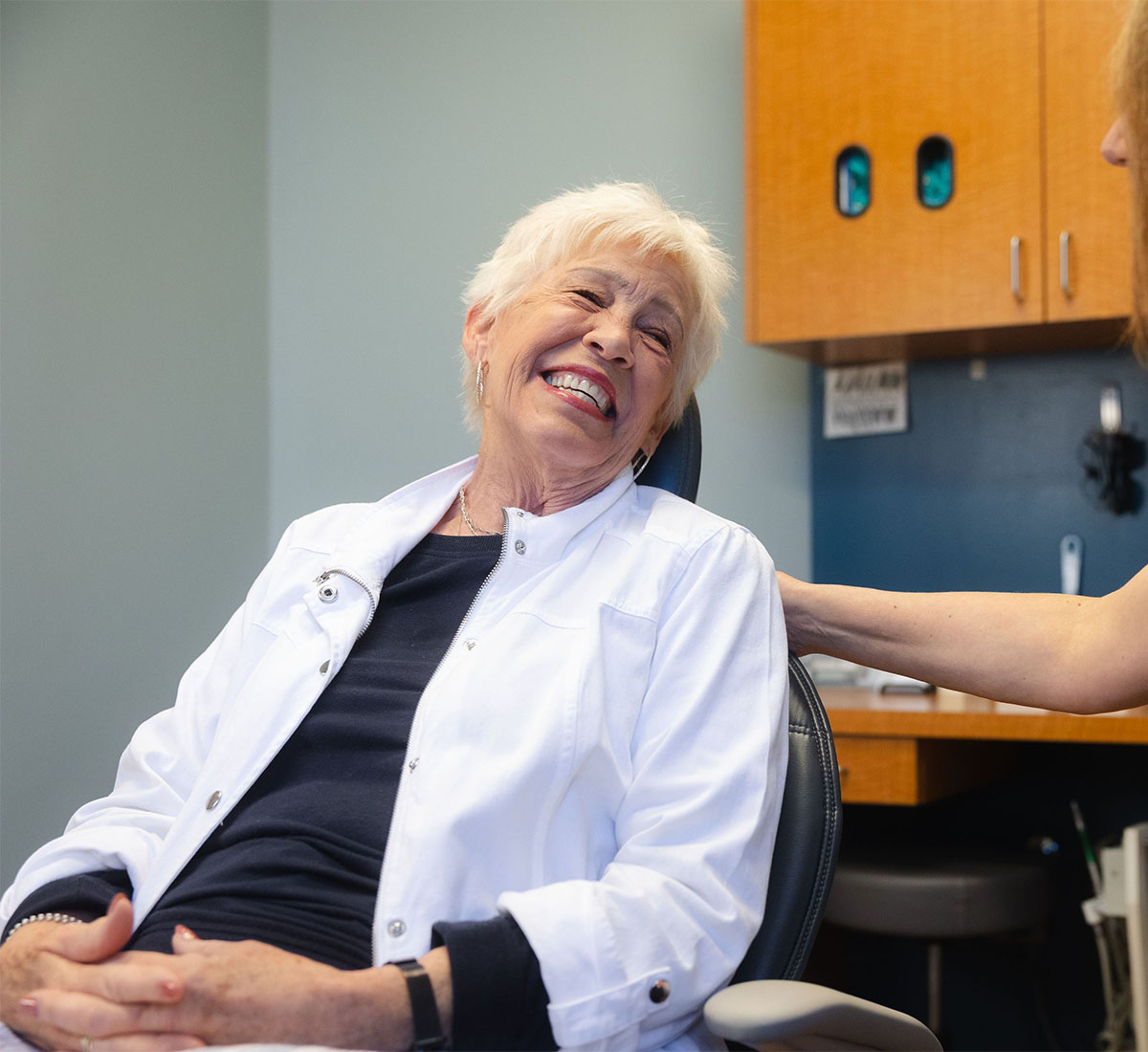
Do You or Your Child Snore ?
The Dangers of Snoring
Beyond the annoying noise, can snoring be a sign of a more serious problem? It’s possible. There are many factors to consider.
What happens during snoring?
While you sleep, the muscles that keep your airway open while you’re awake are relaxed. The sound of snoring emanates from the tissues vibrating as breath passes along the narrow section of your airway.
What makes snoring dangerous?
Snoring can be a warning sign of Obstructive Sleep Apnea (OSA). OSA is a serious medical condition occurring when your airway is temporarily blocked, causing breathing to stop several times throughout the night. During these episodes, the brain is depleted of oxygen. OSA may increase your risk for a heart attack or stroke and cause you to spend less time in the deep restorative sleep needed for energy and mental acuity.
What isSleep Apnea ?
According to research, most people who snore don't have obstructive sleep apnea, but most people who have apnea snore. Snoring doesn’t necessarily mean you have sleep apnea, but it could mean you’re at higher risk.
Sleep apnea not only prevents restful sleep but can also cause you to wake up with a headache or feel tired throughout the day. Without deep sleep, you can experience fatigue, memory loss, lack of energy, depression, anxiety, and more serious health issues.
If your child’s snoring is loud enough to hear down the hall or if your snoring is keeping your bed partner awake, it’s time to get checked out. The first step in diagnosing and treating sleep-related breathing issues is to consult a professional. At Minnesota Craniofacial Center for TMJ & Sleep Treatment, we offer specialized consultations to evaluate your current sleep issues and create a personalized treatment plan.

Common Signs in Adults
- Daytime Sleepiness
- Snoring
- High Blood Pressure
- Weight Issues
- Frequent Irritability
- Wake Up Groggy
- Inability to Concentrate
- Moodiness
- Erectile Dysfunction
- Mental Health issues
Common Signs in Children
- Mouth Breathing
- Sleepwalking
- Night Terrors
- Hyperactivity
- Poor Attention Span
- Decreased Appetite
- Stunted Growth
- Aggressiveness
- Poor Temperament
- Learning Difficulties
Comfortable &Convenient Solutions.
We offer comfortable and convenient solutions to help you sleep better and wake up refreshed. You’ll be surprised at the difference a good night’s sleep can make.
Oral Appliances
We offer an FDA-approved device similar to a simple mouthguard used in athletics. Custom-designed, a personalized oral appliance will keep your jaw in a forward position while you sleep, allowing your airway to remain open for an uninterrupted and better night’s sleep. It’s small, portable, quiet, comfortable, and highly effective.
Personalized Solutions
Every patient has unique needs. That’s why we carefully assess each situation to customize treatment plans and do what’s best for you. We want to help you live fully and feel better with improved sleep and breathing.
Nasal Airway Optimization
Nasal breathing is crucial to healthy sleep. When nasal passages are restricted by inflammation, genetic narrowing, allergies, or poor breathing habits, the body compensates with mouth breathing. Mouth breathing can worsen snoring and sleep-disordered breathing. Targeted breathing exercises, nasal sprays, nasal dilators or strips, allergy management, or dietary changes can optimize your nasal breathing to improve sleep quality and respiratory health.
Orthodontic Therapy
Orthodontic treatment can address the underlying structural issues that contribute to airway obstruction or disordered breathing. We evaluate your bite, position of the jaw, width of the palate, and the surrounding muscles to see how airflow may be affected. Treatments may include palatal expansion, functional appliances, traditional braces, or clear aligner therapy. Individual solutions are tailored to optimize your oral and facial development, improve jaw position, and create space for an open airway.
Benefits of SleepApnea Treatment.
- More Energy
- Better Night’s Sleep
- Quieter Sleep
- Increased Focus and Clarity
- Increased Immunity
- Improved Brain Function
- Improved Cardiovascular Health
- Better Overall Health
Sleep FAQs& Resources.
Snoring is noisy breathing during sleep. It may or may not indicate sleep apnea. Sleep apnea involves pauses in breathing during sleep and potentially has serious medical consequences, including elevated blood pressure, elevated cholesterol, elevated blood sugar (diabetes), gastroesophageal reflux (GERD), anxiety, irritability, and depression.
Sleep studies are important to determine whether apnea is present, or how severe the snoring or sleep apnea is. Most insurance companies require an overnight sleep study before they will provide benefits for treatment of sleep breathing problems.
Generally, no. For many people, the first night with a snoring and sleep apnea appliance is the best night’s sleep they have had in a long time. Appliances for TMJ disorders sometimes take longer to get used to, but they are certainly not painful.
Almost none. Some people experience changes to their bite for a short time each morning after taking out their sleep appliance. Be sure to report any persistent bite changes to us as soon as you notice them.
Yes, certain types of sleep appliances are available to treat people who are missing all of their upper teeth, or even all their teeth.
We never know how successful it is likely to be for your specific case until we do an examination. Then, we can give you a general idea of your prognosis. We always recommend a follow-up sleep study to determine exactly how effective your snoring/sleep apnea treatment is, and to determine if your appliance needs further adjustments.
Not necessarily. Home sleep testing is an option, and we can help you with this.
FeelYour Best.
Please call (651) 642-1013 or request an appointment online to set up your first visit. We’ll be in touch soon.